Japan Packing List: What to Bring & What to Leave
|
posted by WANGKIRA
Packing for Japan depends largely on when and where you're visiting. The essentials for a spring trip to Tokyo are very different from what you'll need for a winter trip to Hokkaido. Before you start filling your suitcase, there are a few Japan-specific items worth checking first.
Table of Contents

The Japan Trip Essentials (Don't Leave Without These)
Before you start worrying about what jacket to bring, secure these fundamental Japan trip packing list necessities.
-
Passport: Needs to be valid for your stay and have at least one blank page. Simple.
-
Visit Japan Web QR Code: Do this on the website a few days before you leave. It handles immigration and customs. Take a screenshot of the QR codes because airport Wi-Fi can be slow when you land.
-
A Digital IC Card (Suica/Pasmo): In 2026, physical cards are still hard to get due to chip shortages. Just open your Apple Wallet or Google Wallet right now, search for "Suica" or "Pasmo," and load 2,000 Yen onto it using your credit card. You'll use this to tap through subway gates seamlessly.
-
Cash (Physical Yen): Japan is much more card-friendly than it used to be, but you still need coins and cash for ramen vending machines, temple charms, and street food. Pull out about 15,000 Yen at the airport ATM when you arrive.
-
An E-SIM: Don't pay your home carrier $10 a day for terrible roaming. Download an app like Ubigi or Airalo before you fly, buy a data plan, and turn it on the second you touch down.
-
Type-A Plug Adapter: Japan uses the flat, two-prong plugs (same as the US/Canada but without the third grounding pin). If your devices have three prongs, or if you're coming from Europe/the UK, you need a basic, non-voltage-converting adapter block.

The Japan Travel Packing List: Clothing & Footwear
Comfortable Walking Shoes Are Essential
It's common to walk 15,000–20,000 steps per day in Japan, especially when sightseeing in cities like Tokyo, Kyoto, and Osaka. Comfortable footwear becomes even more important when exploring Kyoto's most popular attractions, wandering through districts such as Arashiyama, or taking day trips to nearby destinations. Popular sites such as the Arashiyama bamboo forest often involve more walking than first-time visitors expect.
Bring shoes that you've already worn comfortably for long periods. Avoid brand-new shoes that haven't been broken in.
If you're planning to explore beyond central Kyoto without worrying about transportation, many travelers choose organized Kyoto day tours that cover popular attractions and nearby cultural sites efficiently.

¥642.00
¥356.00
It's also worth choosing shoes that are easy to slip on and off. Many temples, traditional accommodations, and some restaurants require visitors to remove their shoes before entering, so you'll likely be taking them off several times throughout the day.
What to Wear in Japan
Japan is generally casual, but people tend to dress neatly. Comfortable clothing such as t-shirts, lightweight trousers, casual dresses, and skirts is common and appropriate for most situations.
When visiting temples, shrines, or more traditional venues, clothing that isn't overly revealing tends to feel more appropriate. This is particularly true when visiting famous cultural landmarks in Kyoto or temple destinations such as Katsuoji Temple. Visitors planning to see historic sites like Kinkaku-ji may also find lightweight layers useful throughout the day. Lightweight layers are also useful, as indoor and outdoor temperatures can vary throughout the day.

¥447.00
¥356.00
Seasonal Japan Packing Guide: Month-by-Month
Spring (March–May)
Spring temperatures vary considerably throughout the season. Travelers visiting during cherry blossom season should prepare for cool mornings, mild afternoons, and occasional rain showers. In Tokyo and Kyoto, daytime highs are typically around 10–15°C (50–59°F) in March and 20–25°C (68–77°F) by May.
Recommended items:
-
Light jacket or trench coat
-
Layers for cooler mornings and evenings
-
Compact umbrella
-
Comfortable walking shoes
If you're planning a Mt Fuji day tour from Tokyo, lightweight layers are recommended since temperatures around the mountain can be noticeably cooler than in the city. Checking mountain visibility forecasts before your trip can also help you choose the best day for sightseeing.

¥537.00
¥336.00
Summer (June–August)
Summer is hot and humid across most of Japan. Daytime temperatures in Tokyo, Osaka, and Kyoto frequently reach 30–35°C (86–95°F), especially in July and August. June is also part of the rainy season in many regions.
Recommended items:
-
Lightweight, breathable clothing
-
Moisture-wicking shirts
-
Sun hat or UV umbrella
-
Reusable water bottle
-
Portable fan (optional)
Autumn (September–November)
September can still feel like summer, with temperatures often above 25°C (77°F). By November, daytime temperatures are usually around 12–18°C (54–64°F) in central Japan.
Recommended items:
-
Light rain jacket
-
Long-sleeve shirts
-
Lightweight sweater or fleece
-
Comfortable walking shoes
Related guides:
Japan Fall Foliage Forecast 2026
Winter (December–February)
Winter conditions vary widely by region. Tokyo and Osaka typically see daytime temperatures of 5–12°C (41–54°F), while Hokkaido and mountain regions frequently drop below freezing.
Recommended items:
-
Thermal base layers
-
Down jacket
-
Gloves and scarf
-
Wool socks
-
Waterproof boots for snowy destinations
Medications and Toiletries
Check Medication Restrictions Before Departure
Some medications that are commonly available overseas are restricted or prohibited in Japan, including certain ADHD medications and products containing pseudoephedrine.
Before traveling, check whether your prescription or over-the-counter medication is permitted. Travelers bringing larger quantities of prescription medication or certain controlled drugs may need to apply for a Yunyu Kakunin-sho (import certificate) before arrival.
Keep all medications in their original packaging and carry a copy of your prescription when applicable.
Toiletries
Most hotels provide basic toiletries such as toothbrushes, razors, shampoo, and body wash. If you use specific skincare products, contact lenses, or specialty hair products, it may be easier to bring them from home.
Motion Sickness and Digestive Remedies
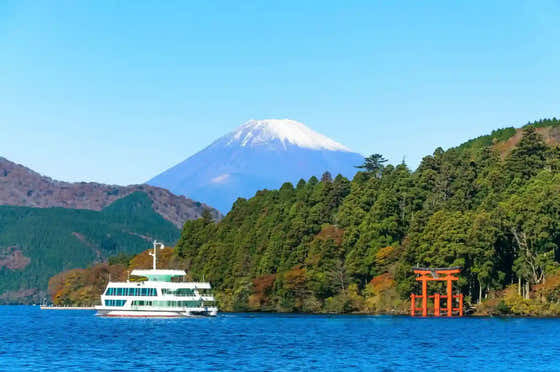
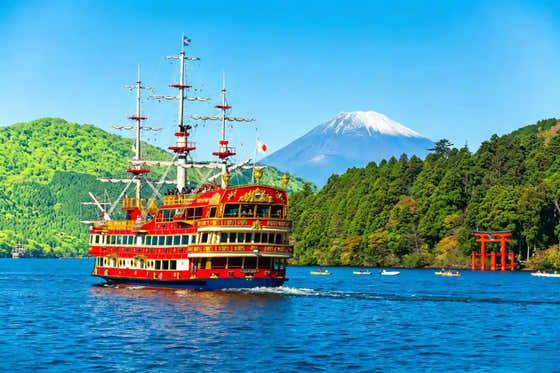
If you're prone to motion sickness, consider packing medication before your trip. This can be useful for mountain roads, ferries, ropeways, and other transport routes in destinations such as Hakone. Travelers joining a Hakone day tour may find motion sickness medication particularly useful when using mountain transportation and sightseeing cruises. If you're still deciding whether to include the area in your itinerary, researching Hakone beforehand can help set expectations.

¥4,104.00
¥3,351.00
Basic digestive remedies and pain relievers can also be useful when adjusting to different foods and travel schedules.
Electronics and Travel Essentials
Power Bank
Navigation apps, translation tools, mobile payments, and photography can quickly drain your phone battery. A 10,000mAh power bank is usually sufficient for a full day of sightseeing.
Plug Compatibility
Japan primarily uses Type A outlets and operates on 100V electricity. Travelers from Europe and some other regions may need a plug adapter.
Coin Purse
Although card acceptance has improved significantly, cash is still widely used. Coins are commonly used for amounts up to ¥500, making a small coin purse surprisingly practical for everyday purchases.
Day Bag
A lightweight backpack or crossbody bag works well for daily sightseeing. It's especially useful for travelers spending one day exploring Kyoto or taking short excursions from the city. A compact day bag is also ideal when visiting Nara's parks, temples, and historical districts. On crowded trains, backpacks are typically carried in front or held by hand to avoid blocking space.
Luggage Tips
Travel Light When Possible
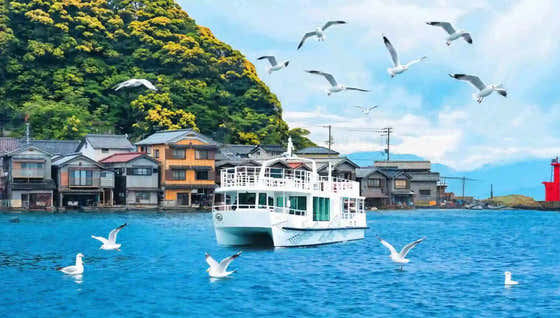
Many train stations have stairs, narrow passageways, and limited luggage space. Packing lighter can make moving between cities considerably easier. This is especially helpful if your itinerary includes destinations such as Amanohashidate or Ine, where you'll likely be transferring between trains, buses, and local transportation.

¥426.00
¥365.00
Oversized Baggage on the Shinkansen
On selected Shinkansen routes, luggage with combined dimensions exceeding 160cm requires an oversized baggage reservation. Check current railway guidelines before travel if you plan to bring a large suitcase.
Consider Luggage Forwarding
Japan's luggage forwarding services can deliver suitcases between hotels, allowing travelers to move between cities with only a day bag. This is particularly useful when traveling between destinations such as Tokyo, Kyoto, and Osaka. Many travelers use luggage forwarding when moving between Tokyo, Kyoto, Osaka, and Mount Fuji areas, allowing them to enjoy sightseeing with only a day bag.
Japan Travel Packing List FAQs
What should I pack for a 2-week trip to Japan?
Pack for about 7–10 days and plan to do laundry during your trip. A carry-on and a daypack are usually enough for city travel.
What is the best luggage for traveling to Japan?
A carry-on sized, four-wheel suitcase with a daypack works best for trains, stations, and small hotel rooms.
Do I need to bring a lot of cash to Japan?
Cities are mostly cashless, but cash is still needed in rural areas, small shops, and shrines. ¥10,000–¥20,000 is usually enough to start.
Can I bring my ADHD medication to Japan?
Some ADHD medications are restricted in Japan. Check regulations in advance and bring required documents if needed.
What do women wear in Japan?
Casual, neat clothing is standard. Comfortable walking shoes are essential. More modest outfits are preferred in temples and traditional areas.