Kyoto looks simple until you try to get across it. The city’s main sights sit in totally different directions—Arashiyama is all the way out west, Higashiyama is on the opposite side, and Fushimi Inari sits down south. If you rely solely on city buses, you’ll end up wasting a lot of time stuck in traffic.
The goal of this plan is simple: spend less time in transit, and more time actually seeing Kyoto—while still covering the major highlights and a few places most people skip, like Nara and the northern coast.
Read guides:
How many days should I spend in Kyoto?
Table of Contents (Click to fold)
So, is 3 days actually enough?
Most travelers book 3 days, and it’s enough to see the main highlights. But you can’t just wander around and hope it works out—you'll need a bit of structure when planning your things to do in Kyoto list.
Read guides:
What usually catches people off guard isn’t the number of places, it’s the distance within them. For example, Kiyomizu-dera isn’t a quick stop—it’s a long uphill walk, and you’ll feel it by the end of the day.
Here’s how to break it down:
- Day 1: The big-name spots (Nara, Fushimi Inari, Arashiyama)
- Day 2: The cultural heritage (Kinkaku-ji, Kiyomizu-dera, and Uji for tea)
- Day 3: The coastal side most people skip (Ine & Amanohashidate)
Day 1: Nara, Fushimi Inari, Arashiyama
A lot of people leave Nara for a separate day, but if you only have 72 hours, it makes more sense to combine it with Southern Kyoto.
10:00 AM – Nara Park

Take the JR Nara Line. The deer are fun, but what really stands out is feeding the 1,200 wild deer; it’s the scale of the Todai-ji Temple.
If you are visiting for the Nara Cherry Blossom (late March), the Saho River nearby is much better for photos than the crowded park center. The Nara autumn foliage is also very popular among the travellers.
12:30 PM – Fushimi Inari Taisha

If you want that iconic empty-path photo, you need to hike up to the Yotsutsuji intersection. It takes 20-30 minutes, but the crowds drop off fast once it gets steeper.
2:30 PM – Arashiyama Bamboo Grove

Finish the day in the west. Walk the Togetsukyo Bridge and hit the Bamboo Grove— some of the most iconic things to do in Arashiyama Kyoto. After the sun sets, visit the Kimono Forest at the Randen station—600 illuminated pillars that look far better at twilight than during the day.

Day 2: Kinkaku-ji, Higashiyama & Uji
This is the Kyoto most people picture—gold temples, old streets, and matcha everywhere.
9:30 AM – Kinkaku-ji (The Golden Pavilion)

This is a "look but don't touch" site. You can’t enter the pavilion, so the visit is quick (about 45 minutes). The best photos are from the far side of the pond where the gold reflection is clearest.
10:30 AM – Higashiyama & Kiyomizu-dera

This is the part of Kyoto that actually feels like stepping back in time. Walk up Sannenzaka and Ninenzaka.
As of 2026, many private alleys in Gion have strict "no-photography" rules to protect the Maiko and Geiko. Stay on the main streets like Hanami-koji and keep your camera down in small residential lanes—and yes—people do get called out for it.
14:00 PM – Uji

Take the train south to Uji. It’s much quieter than central Kyoto. Visit Byodo-in Temple (the one on the 10-yen coin) and walk across the Uji River. If you’re buying tea, this is a much better place to do it than the airport. The quality here is significantly higher than what you’ll find at the airport.

Day 3: Ine Funaya & Amanohashidate
By Day 3, you might be a bit templed out. This is the best time to head to the coast, often called "Kyoto by the Sea."
10:30 - Ine Funaya (The Floating Village)

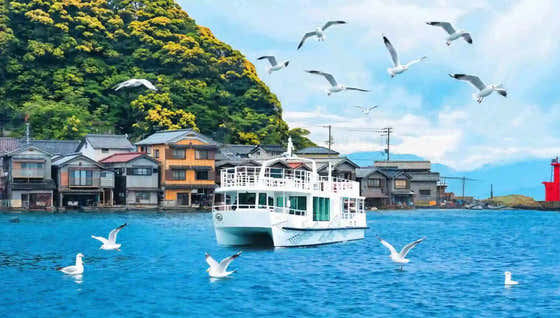
Ine is one of the most unique coastal villages in Japan—a place where traditional boat houses (Funaya) sit directly on the water, with boats stored right underneath the living space.
Instead of rushing through, plan to spend about 1.5–2 hours here. The best way to experience Ine is:
- Take a boat cruise along the bay to see the “mouths” of the Funaya from the water
- Walk along the quiet streets for a closer look at daily village life
- Stop by a local café or try fresh seafood if you have time

Cozy cafe interior overlooking Ine Bay
It’s often compared to Venice, but Ine feels far more raw, peaceful, and authentic.
13:00 - Amanohashidate (The Bridge to Heaven)

Amanohashidate is one of Japan’s “Three Scenic Views”—a 3.6 km sandbar lined with around 8,000 pine trees, stretching across the bay.
You’ll want to spend around 2–3 hours here to fully enjoy it:
- Ride the chairlift or cable car up to Amanohashidate Viewland
- Try the famous “Matanozoki” pose (bend over and look through your legs!)
- Walk or cycle part of the sandbar for a different perspective
- Visit nearby temples and shrines if time allows

The famous “Matanozoki” pose
From above, the sandbar looks like a dragon flying up into the sky—which is how it got the name “Bridge to Heaven.”

Kyoto 3 Day Itinerary FAQs