Things to Do in Uji: Day Trip Planning Guide
|
posted by WANGKIRA
Uji is about 15 kilometers south of Kyoto and is known for its long tea-making tradition and two UNESCO World Heritage sites near the Uji River.
It makes an easy change of pace from central Kyoto, with fewer crowds but plenty of history to explore. The main sights are close enough to visit on foot, making Uji easy to explore at a relaxed pace. Around four hours is enough to see the main sights, especially if tea and temples are your main reasons for coming.
Table of Contents
How to get to Uji from Kyoto
Taking the JR Line from Kyoto
From Kyoto Station, the easiest option is the JR Nara Line. Miyakoji Rapid trains leave from Track 8 or 9 and take about 20 minutes to reach JR Uji Station. A one-way ticket costs ¥240, and local trains take around 10 minutes longer.
ICOCA, Suica, and other IC cards can be used at the ticket gates. JR Pass holders can also use the pass for this journey.
Taking the Keihan Line
If you are staying around Gion, Sanjo, or the Kamo River, taking the Keihan Line can be more convenient than going back to Kyoto Station first.
Take the Keihan Main Line from Gion-Shijo or Sanjo, then transfer to the Uji Line at Chushojima Station. The journey takes about 35 minutes and costs ¥340 one way. At Chushojima, the transfer is straightforward and takes place on the same platform.
Things to Do in Uji
Byodo-in Temple and Phoenix Hall
Byodo-in is Uji's main attraction and the place most visitors come to see. The temple grounds are open daily from 8:30 AM to 5:30 PM, with admission costing ¥600.

A separate ¥300 timed ticket is required to enter Phoenix Hall itself. Tickets are sold inside the temple, with up to 50 visitors admitted every 20 minutes. Even if you skip the interior visit, you can get a clear view of Phoenix Hall across the reflection pond. The building is also depicted on Japan's 10-yen coin. Allow around 45 minutes for the temple grounds.
Hoshokan Museum
The Hoshokan Museum is included in the ¥600 admission to Byodo-in. Located underground behind the main hall, the museum houses 26 carved wooden bodhisattva statues from the 11th century, along with the temple's original bronze bell.
It's a relatively small museum, so you won't need much time here. The air conditioning also makes it a welcome stop if you're visiting Uji in the summer.
Uji Bridge and the River Walk
Uji Bridge crosses the Uji River and is one of the easiest places to start exploring the town. From here, you can walk along the river toward Byodo-in and the tea shops around Omotesando.

Look for the stone water-drawing point along the bridge railing. It is associated with the tradition of drawing water from the Uji River for tea, a practice that dates back centuries.
Tachibanajima and To-no-Shima Islands
Two small islands, Tachibanajima and To-no-Shima, sit in the middle of the Uji River and are connected to the riverbanks by red wooden bridges.
To-no-Shima is home to a 15-meter stone pagoda dating from 1286. The surrounding park is free to enter and makes a pleasant place to sit by the river for a few minutes, especially on a sunny day.
Ujigami Shrine
Tucked into the hillside near the Uji River, Ujigami Shrine is one of Uji's quieter historic sites. There is no admission fee, and the shrine is open daily from 9:00 AM to 4:30 PM.

Its main hall, built from cypress wood, is recognized as the oldest surviving shrine building in Japan. The grounds also include Kirihara-sui, a spring that flows beneath a small covered wooden pavilion.
Byodo-in Omotesando Shopping Street
Byodo-in Omotesando is the main shopping street leading from Uji Bridge toward Byodo-in. The roughly 300-meter street is lined with tea shops, cafés, and souvenir stores, making it an easy place to stop for a snack while sightseeing.

You'll find Uji specialties such as roasted hojicha, green tea dango, and matcha soft serve. Most shops are open from around 10:00 AM to 5:00 PM, although individual hours vary.
Daikichiyama Park Lookout Hike
For a different view of Uji, follow the trail behind Ujigami Shrine up Mount Daikichi. The gravel path climbs about 131 meters to a wooden observation deck overlooking the Uji River, Byodo-in, and the surrounding valley.
The uphill walk takes around 20 minutes and is free to access. The trail is open throughout the day, but it's best to go during daylight hours, particularly if you're visiting for the first time.
Tale of Genji Museum and Murasaki Shikibu Statue
The Tale of Genji Museum explores the connection between Uji and The Tale of Genji, particularly the novel's final chapters, which are set in the area. The museum is open Tuesday through Sunday from 9:00 AM to 5:00 PM, with admission costing ¥500.

Inside, you'll find displays including Heian-period ox-cart replicas and short films about the story's Uji chapters. If you're short on time or not particularly interested in Japanese literature, you can skip the museum and see the nearby stone statue of Murasaki Shikibu instead.
Matcha in Uji

Tea Houses: Nakamura Tokichi, Tsujiri, and Masuda Chaho
Nakamura Tokichi Honten near JR Uji Station is known for its matcha desserts, including bamboo-cup parfaits for around ¥1,400. It is open from 10:00 AM to 5:30 PM, but weekend waits can be long.
For a quicker stop, Masuda Chaho near Byodo-in offers green tea ice cream for around ¥400. Tsujiri on Byodo-in Omotesando is a good place to pick up packaged Uji tea.
Grind Your Own Matcha at Fukujuen

Fukujuen Uji Tea Center offers a 45-minute matcha-making workshop for ¥1,650 per person. You grind tencha leaves with a traditional stone mill, then whisk the freshly ground matcha and enjoy it with a Japanese sweet.
Matcha Noodles, Parfaits, and Savory Dishes
Matcha also appears in Uji's local food, from cold cha-soba to ramen and gyoza. Cha-soba costs around ¥950 and makes a light lunch on a warm day.
Itohkyuemon near Keihan Uji Station also serves matcha ramen for around ¥1,100 and matcha gyoza for about ¥500.
Buying Matcha: What Should You Look For?
Matcha sold for drinking on its own is generally more delicate and expensive, while less expensive varieties are often better suited to lattes, desserts, and cooking. Prices vary depending on the producer and quality.
If you're buying matcha to take home, ask the shop which tea is best for your intended use rather than relying only on labels such as "ceremonial" or "culinary."
| Matcha Type | Typical Price | Best For | How to Use |
|---|---|---|---|
| Drinking-grade matcha | ¥2,000–¥4,000 per 30g tin | Drinking on its own | Whisk with hot water |
| Cooking-grade matcha | ¥1,000–¥1,800 per 100g bag | Lattes, desserts, baking | Mix into milk, batter, or other ingredients |
Seasonal Events
Summer Cormorant Fishing
Traditional ukai cormorant fishing takes place on the Uji River from July 1 to September 30. Evening viewing boats leave To-no-Shima at 6:30 PM and 7:00 PM, with a one-hour cruise costing ¥2,300.
From the boat, you can watch fishermen work from traditional wooden boats lit by fire baskets.
Autumn Colors and Spring Cherry Blossoms
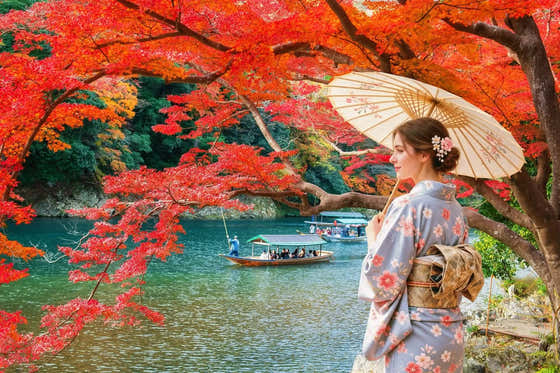
Around 2,000 cherry trees bloom along the Uji River from late March to early April, making spring one of the most scenic times to visit. In autumn, the maples around Byodo-in and Ujigami Shrine usually reach their best colors from mid-November to early December.

Weekdays are generally a better choice during both seasons if you want to avoid the busiest crowds.
Uji Itineraries and Day Tours
You can see Uji's main sights in about four hours on your own, making it an easy half day trip from Kyoto. If you'd rather combine Uji with Kyoto or Nara, a guided bus tour takes care of the transport and transfers for you.
Half-Day Self-Guided Itinerary
-
8:30 AM: Arrive at JR Uji Station and walk about 10 minutes to Byodo-in Temple. Visit when it opens and pay the ¥600 admission fee.
-
10:30 AM: Walk along Byodo-in Omotesando for matcha sweets, tea, and souvenirs.
-
11:30 AM: Cross Uji Bridge and visit Ujigami Shrine. Allow around 30 minutes.
-
12:15 PM: Stop for a bowl of cha-soba before catching a 1:00 PM train back to Kyoto or continuing south to Nara.
Kyoto Classics and Uji
Our Route 1 combines some of Kyoto's best-known sights with a visit to Uji.
- Morning: Visit Kinkaku-ji (Golden Pavilion, ¥500 admission) and Kiyomizu-dera in eastern Kyoto.
- Afternoon: Travel to Uji by coach and spend around two hours exploring the town. Visit Byodo-in, browse Byodo-in Omotesando, and stop at Ujigami Shrine before returning to Kyoto Station.

¥584.00
¥334.00
Nara, Uji, and Fushimi Inari
Our Route 2 combines Fushimi Inari, Nara and Uji in one day, with transport between each stop included.
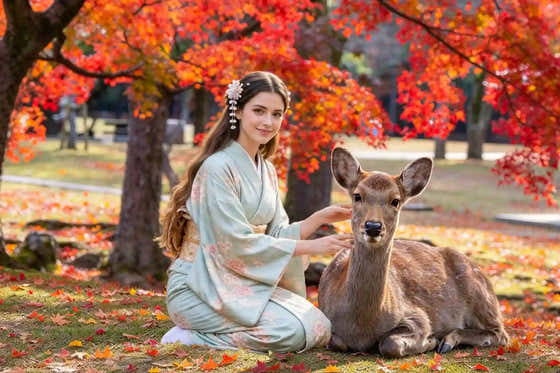
- Morning in Nara: Visit Nara Park and Todai-ji Temple (¥600 admission) to see the Great Buddha and the famous sika deer.
- Midday in Uji: Spend around two hours exploring Byodo-in, trying matcha treats along Omotesando, and visiting Ujigami Shrine.
- Late Afternoon: Head to Fushimi Inari Taisha and walk through the famous red torii gates before returning to Kyoto by coach.

Practical Tips on Uji Day Trips
How Much Time You Need
Plan for around 2 to 4 hours to visit Byodo-in, walk along Omotesando, see Ujigami Shrine, and have lunch. Add another hour or two if you want to join a tea-grinding workshop or hike Mount Daikichiyama.
Luggage Storage at the Stations
JR Uji Station has 24 coin lockers near the ticket gates, costing ¥400 for small bags and ¥700 for large suitcases. The tourist information center near Keihan Uji Station also offers luggage storage for ¥500 per item from 9:00 AM to 5:00 PM.
Things to Do in Uji FAQs
Is Uji Worth Visiting on a Kyoto Trip?
Yes. Uji is about 20 minutes from Kyoto Station by JR train and is home to two UNESCO World Heritage sites. It's also generally quieter than central Kyoto, making it easy to explore on foot.
How Much Time Do I Need in Uji?
Around 2 to 4 hours is enough to visit Byodo-in, walk along Omotesando, see Ujigami Shrine, and stop for a matcha lunch.
Can I Combine Uji and Nara on the Same Day?
Yes. The JR Nara Line connects Kyoto, Uji, and Nara, so you can visit Uji in the morning and continue to Nara in the afternoon. Allow around 30 minutes for the train journey from Uji to Nara.
How Do Our Day Tours Help With Day Planning?
Both tours include transportation between the main stops, so you don't need to plan separate train connections. Route 1 combines Uji with Kyoto, while Route 2 combines Uji with Nara and Fushimi Inari.