Best Day Trips from Kyoto
|
posted by WANGKIRA
Staying in Kyoto as your base makes traveling around Kansai much easier. Instead of packing your luggage every day, you can take advantage of Kyoto's excellent rail connections to places like Nara, Osaka, Uji, and even Hiroshima.
In this guide, I'll show you how long each trip actually takes, which routes are the easiest, and how to avoid common transfer mistakes.
Table of Contents (Day Trips from Kyoto)
Classic Day Trips from Kyoto
Nara: Temples and Deer
Read our full guide: [Nara Day Trip from Kyoto]
Nara is one of the easiest day trips from Kyoto. Both JR and Kintetsu trains run frequently, but Kintetsu Nara Station is generally the more convenient choice since it's only about a 5-minute walk from Nara Park. If you're using a JR Pass or staying near Kyoto Station, the JR line is still a perfectly good option—you'll just have a slightly longer walk to the main sights.

Most visitors spend half a day exploring Nara. From the station, head to Tōdai-ji Temple first before wandering through Nara Park to see the famous free-roaming deer.
If you'd rather avoid coordinating trains and local transport, a guided day tour that combines Nara, Uji, and Fushimi Inari is an easy way to visit several highlights in one day.
Osaka: Food, Shopping, and Nightlife
Osaka is an easy day trip from Kyoto and also works well as an evening escape after a day of sightseeing. Since the two cities are less than 30 minutes apart by train, many travelers stay in Kyoto and head to Osaka for dinner, shopping, or nightlife.

The simplest option is the JR Special Rapid Service, which takes about 30 minutes from Kyoto Station to Osaka Station. If you're planning to spend most of your time around Dotonbori or Namba, you'll need one more subway ride from Osaka Station. Travelers staying near Gion can also take the Keihan Main Line to Yodoyabashi, then continue by subway to central Osaka.

If you want to fit in some sightseeing before dinner, visit Osaka Castle in the late afternoon when the daytime crowds begin to ease. Afterwards, head to Dotonbori, where the area comes alive in the evening with illuminated signs, restaurants, and some of Osaka's best-known local dishes, including takoyaki and okonomiyaki.
Hiroshima & Miyajima: History and Scenic Coastlines
Hiroshima and Miyajima can be visited in a single day from Kyoto, but it is one of the longest day trips in the region. An early start is recommended, with most travelers leaving Kyoto around 7:00–8:00 AM by Shinkansen.
The journey to Hiroshima Station takes about 1 hour 40 minutes. From there, continue to Miyajimaguchi by JR train, then take a 10-minute ferry to Miyajima Island. If seeing the famous Itsukushima Shrine torii gate is a priority, check the tide schedule before your visit—the gate appears to float at high tide, while low tide allows you to walk closer to its base.
Many visitors explore Miyajima in the morning and return to Hiroshima in the afternoon for the Peace Memorial Park and Museum. It makes for a long but rewarding day combining scenic island views with one of Japan’s most important historical sites.
Best Day Trips for Nature (Off the Beaten Path)
Amanohashidate & Ine Funaya (Kyoto by the Sea)
Read our full guides: [Amanohashidate Travel Guide] | [Ine Funaya Travel Guide]
If you're looking to escape the crowds in Kyoto and Osaka, Amanohashidate and Ine Funaya offer a completely different side of the region. Instead of temples and busy shopping streets, you'll find quiet coastal scenery, fishing villages, and one of Japan's most famous natural landscapes.

The Limited Express Hashidate connects Kyoto Station with Amanohashidate in about 2 hours 15 minutes. Many visitors walk or cycle across the pine-covered sandbar before taking a local bus to Ine, a picturesque village known for its traditional waterfront boathouses.

While it's possible to visit both destinations independently, public transport becomes much less frequent once you leave Amanohashidate. If you're short on time or prefer not to coordinate train and bus schedules, a guided day tour is often the easiest way to see both places in a single day.
Lake Biwa (Shiga Prefecture)
Just east of Kyoto lies Lake Biwa, Japan's largest lake and an easy escape from the city's busy streets. While the southern area around Otsu is the most accessible, the northern lakeshore offers quieter scenery and a more relaxed atmosphere.
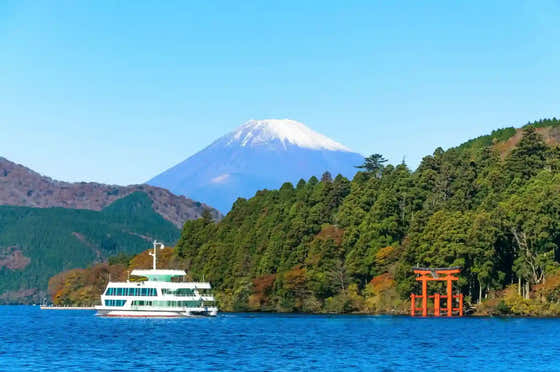
One of the most scenic spots is Shirahige Shrine, famous for its vermilion torii gate standing in the water. From Kyoto Station, take the JR Kosei Line to Omi-Takashima Station (around 40–50 minutes), then continue by taxi or bicycle to the shrine.
Lake Biwa is a great choice for travelers who want a slower-paced day surrounded by nature. It is especially beautiful around sunrise and sunset, when the torii gate and the lake create some of the area's most memorable views.
Miyama: Traditional Thatched-Roof Village
Read our full guide: [Day Trip to Miyama from Kyoto]
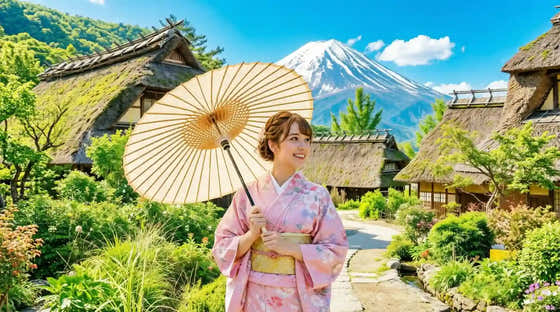
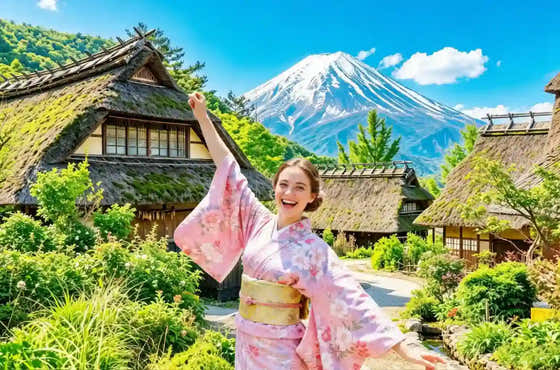
If you want to experience rural Japan without traveling all the way to Shirakawa-go, Miyama Kayabuki-no-Sato is one of the best countryside escapes from Kyoto. The village is known for its traditional thatched-roof farmhouses and peaceful mountain scenery, offering a very different atmosphere from Kyoto's busy temples.

Miyama is located about 2 hours from Kyoto, but reaching the village requires a combination of train and local bus connections. The easiest route is to take the JR Sagano Line to Hiyoshi Station, then continue by the Nantan City Bus to Kayabuki-no-Sato. Since buses are limited, checking the timetable before your visit is highly recommended.
The village itself is small, so most visitors spend around 1.5–2 hours walking around the traditional houses, visiting the local museum, and enjoying the countryside views. It is especially beautiful in winter when snow covers the thatched roofs.
Best Half-Day Trips (Staying Close to Kyoto)
Uji: The Matcha Capital
Uji is one of Japan's most famous tea-producing regions and an easy half-day trip from Kyoto. Located about 20 minutes south of Kyoto Station by JR train, the town is best known for its high-quality matcha, historic temples, and peaceful riverside scenery.

The highlight of any visit is Byodo-in Temple, a UNESCO World Heritage Site and the historic temple featured on the back of the Japanese 10-yen coin. Arrive in the morning if you want to explore the temple grounds at a quieter pace before the area becomes busier.
After visiting Byodo-in, take a walk along the Uji River and stop at one of the town's traditional tea shops. Tsuen Tea, which has been serving tea since 1160, is one of the oldest tea shops in Japan and a popular place to experience Uji's tea culture.
Uji is compact and easy to explore in half a day, making it a great combination with nearby Nara if you want to visit both destinations in one day.
Arashiyama & Kinkaku-ji: Kyoto's Scenic West and North
Read our full guides: [Kinkaku-ji (Golden Pavilion) Guide] | [Arashiyama Bamboo Grove] | [Things to Do in Arashiyama Kyoto]
Although both Arashiyama and Kinkaku-ji are located within Kyoto, their western and northern locations make them feel separate from the city's central sightseeing areas. Since the two districts are not close to each other, visiting both on the same day works best with a little planning.

Start your day in Arashiyama, where the famous Bamboo Grove, Togetsukyo Bridge, and Tenryu-ji Temple offer some of Kyoto's most scenic views. The Bamboo Grove is open all day, but arriving in the morning is the best way to enjoy a quieter atmosphere.

Later, head to Kinkaku-ji (Golden Pavilion), one of Kyoto's most iconic temples. The golden pavilion reflecting on the pond is especially beautiful on clear days, making it one of the city's most photographed sights.
If you prefer a smoother route without navigating multiple buses and transfers, a guided tour can be a convenient way to combine Arashiyama and Kinkaku-ji with other Kyoto highlights.
Is a Guided Day Tour Worth It?
For easy destinations like Osaka, Nara, or Uji, traveling independently is usually the better choice. Direct train connections make these day trips simple, and you can explore at your own pace.
A guided tour becomes more useful when you want to combine multiple places in one day. Destinations like Nara + Uji or Arashiyama + Kinkaku-ji involve several transfers, and managing trains and buses can take time away from sightseeing.
For more remote areas such as Amanohashidate, Ine Funaya, and Miyama, a tour can save the most hassle because public transportation is less frequent. Private tours are also worth considering for families or groups who want more flexibility.
Seasonal Recommendations
Best Trips in Spring (Cherry Blossoms)
Read our full guides: [Kyoto Cherry Blossom] | [Nara Cherry Blossom]
If you visit Kyoto during cherry blossom season and want to avoid the busiest spots, consider a day trip to Mt. Yoshino in Nara Prefecture. The mountain is home to around 30,000 cherry trees spread across different elevations, creating a longer blooming period compared with many city parks.
From Kyoto, the journey takes about 1.5–2 hours by train, but the mountain views and traditional atmosphere make it one of Japan's most famous cherry blossom destinations.
Best Trips in Winter (December - February)
For winter scenery, head north to destinations such as Miyama and Amanohashidate. Miyama's thatched-roof houses look especially beautiful when covered in snow, while Amanohashidate offers a different side of the famous pine-covered sandbar during the colder months.
Winter conditions vary each year, so check the forecast before planning a snow-focused day trip.
See also: Nara Autumn Foliage 2026
Day Trips from Kyoto FAQs
How many days in Kyoto is enough?
For most first-time visitors, 3–4 full days in Kyoto is a comfortable amount of time. This allows you to explore the main areas like Higashiyama, Arashiyama, and Fushimi Inari, while still leaving time for a nearby day trip such as Nara or Osaka.
Is Kyoto a good base for day trips?
Yes. Kyoto is one of the best bases for exploring Kansai. With JR, Kintetsu, and Shinkansen connections from Kyoto Station, you can easily reach destinations like Nara, Osaka, Uji, and Hiroshima without changing hotels.
What is nicer, Osaka or Kyoto?
It depends on what kind of experience you want. Kyoto is better for traditional temples, gardens, historic streets, and cultural experiences. Osaka is better for food, shopping, nightlife, and a more modern city atmosphere.
What is the best day trip from Kyoto?
For first-time visitors, Nara is usually the easiest and most rewarding choice. It is close to Kyoto, easy to reach by train, and offers unique experiences like seeing free-roaming deer and visiting Tōdai-ji Temple.
How long is the train ride from Kyoto to Osaka?
The JR Special Rapid Service takes about 30 minutes from Kyoto Station to Osaka Station. The Shinkansen is faster between stations, but Shin-Osaka is not the most convenient location for visitors heading to areas like Namba or Dotonbori.
How long is a day trip from Kyoto to Nara?
Plan for around half a day to a full day, depending on your pace. Most visitors spend about 3–5 hours exploring Nara Park, Tōdai-ji Temple, Kasuga Taisha Shrine, and the surrounding areas.
Should I spend more time in Osaka or Kyoto?
Most first-time visitors prefer spending more time in Kyoto because there are more historical sights to explore. Osaka is easy to add as an evening or one-day trip, especially if you want to experience its food scene and nightlife.
You might also be interested in : [How Many Days in Kyoto?] | [Best Kyoto 3 Day Itinerary] | [Kyoto one day itinerary] | [Kyoto two day itinerary]