Japan Fall Foliage Forecast 2026: Best Time & Places to See Autumn Leaves
|
posted by WANGKIRA
Last updated: September 18, 2026. Forecast source: Japan Meteorological Corporation (JMC), first 2026 forecast released September 2, 2026. Next forecast update expected in early October.
Japan's 2026 autumn foliage season is expected to arrive around average or slightly later than average in several regions. JMC's first forecast, released on September 2, puts peak red leaves around November 29 in Tokyo, December 4 in Osaka, and December 11 in Kyoto, with the next forecast update due in early October.
Known as momijigari in Japan, the tradition of enjoying autumn leaves follows a very different pattern from cherry blossom season. The colors move from north to south, starting in Hokkaido and the mountain regions before reaching cities like Tokyo, Kyoto, and Osaka in November. The season stretches for about two and a half months, so the best timing depends heavily on where you plan to go.
Japan Autumn Foliage Forecast 2026: Key Dates
The Japan Meteorological Corporation (JMC) released its first nationwide autumn foliage forecast for 2026 on September 2, covering red maple leaves (momiji) and yellow ginkgo leaves across the country. Here are the key dates for 2026, with the next forecast update expected in early October.

| City | 2026 Red Maple (Momiji) | 2026 Yellow Ginkgo |
|---|---|---|
| Sapporo | November 7 | November 6 |
| Aomori | November 13 | November 6 |
| Sendai | November 25 | November 29 |
| Tokyo | November 29 | November 26 |
| Kanazawa | November 30 | November 10 |
| Nagano | November 21 | November 14 |
| Nagoya | December 2 | November 17 |
| Kyoto | December 11 | November 27 |
| Osaka | December 4 | November 24 |
| Hiroshima | November 28 | November 20 |
| Fukuoka | December 7 | November 27 |
One thing worth understanding before you plan around these dates: JMC's forecast estimates the first day on which most of a sample tree's leaves have turned red or yellow, using the same observation standard as the Japan Meteorological Agency. It is not a switch that flips overnight. Actual viewing windows usually run about one to two weeks around the forecast date, and they vary with elevation, tree species, and weather. So a forecast of November 29 in Tokyo does not mean the leaves are green on November 28 and gone by December 5.
Because autumn temperatures vary each year, peak foliage dates can still shift by a week or more between forecast updates. If you are booking your Japan trip months in advance, secure flights and hotels first, but keep your autumn foliage day trips flexible based on the latest forecast updates.
Is Japan's 2026 Autumn Foliage Season Late?
Slightly, in some areas. JMC expects autumn temperatures to run warmer than average nationwide this year, so many regions are forecast to peak around average or later. The clearly late spots are in Hokkaido and the mountains, not in the big cities.
| City | 2026 Forecast (Red) | Average Date | Difference |
|---|---|---|---|
| Sapporo | November 7 | October 28 | About 10 days later than average |
| Nagano | November 21 | November 12 | About 9 days later than average |
| Kanazawa | November 30 | November 24 | A few days later |
| Tokyo | November 29 | November 28 | Around average |
| Kyoto | December 11 | December 5 | A few days later, within the average range |
| Osaka | December 4 | December 1 | Around average |
The practical takeaway: if you are visiting Tokyo, Kyoto, or Osaka, the 2026 season is essentially a normal year, and late November to early December remains your safest window. If you are heading to Hokkaido or the Japanese Alps, build in a little more margin and check the early October update before locking in dates.
Red Maple vs Yellow Ginkgo: Why the Dates Differ
JMC publishes two separate forecasts for a reason. Red leaves (momiji) mainly mean Japanese maple, while yellow leaves mean ginkgo (icho). Ginkgo starts coloring at slightly warmer temperatures, so yellow foliage generally peaks a few days before red maple in the same city.
The gap is small in Tokyo, where yellow ginkgo is forecast for November 26 and red maple for November 29. It is much bigger in Kyoto: yellow ginkgo peaks around November 27, but red maple not until December 11. In other words, Kyoto's ginkgo and maple foliage do not peak at the same time. If your Kyoto dates fall in late November, you can still catch golden ginkgo at temples and along the streets, even though the famous red maple gardens will need another two weeks. We think that is one of the most useful things to know when booking a late-November Kyoto trip.
Best Time & Places to See Autumn Leaves in Japan by Region
Hokkaido & Tohoku (September–October: First Autumn Colors)
Japan's autumn foliage season begins in the north. In Hokkaido, mountain areas such as Daisetsuzan National Park can start changing colors from mid-September. Sapporo itself peaks much later than the mountains this year, with red leaves forecast around November 7.
By mid-October, the foliage season moves into the Tohoku region. Aomori's Oirase Gorge is famous for colorful forests, riverside walking, and waterfalls, while Akita's Kakunodate combines autumn scenery with historic samurai streets. Aomori's red leaves are forecast for around November 13, and Sendai's for around November 25.
Because many Hokkaido and Tohoku foliage spots are spread across large areas, visiting several locations in a short trip can be challenging without flexible transportation. A customizable tour with a private driver and a professional guide can be a good option for you.
Kanto / Tokyo & Hakone (November–Early December: City Parks and Mountain Views)
Tokyo's autumn foliage usually peaks from late November into early December. For 2026, JMC forecasts yellow ginkgo around November 26 and red maple around November 29. Golden ginkgo trees change color first, followed by red maple leaves in traditional gardens, parks, and temple areas.
One of Tokyo's most famous autumn spots is Meiji Jingu Gaien, where a 300-meter avenue lined with ginkgo trees turns bright yellow in late November. The area is easy to reach from Aoyama-Itchome Station and is especially popular for autumn photography. If you only have one autumn day in Tokyo and care more about red maples than ginkgo avenues, Rikugien Garden is the safer choice.

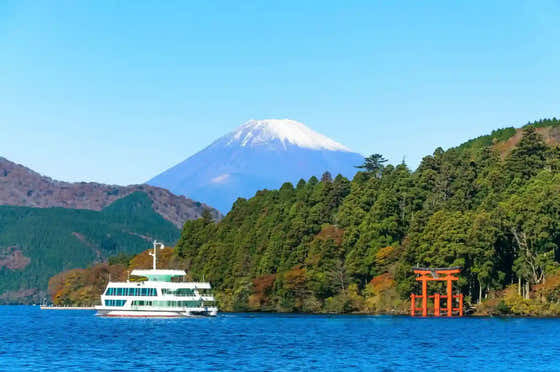
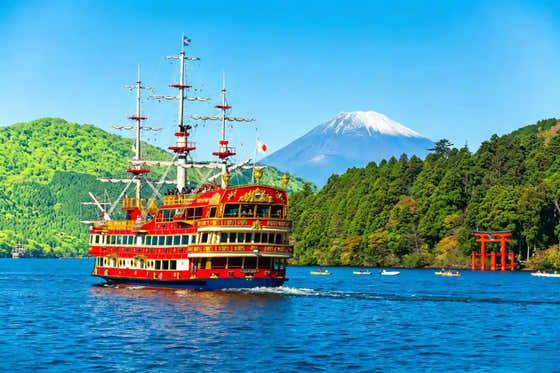
For travelers staying in Tokyo, Hakone is one of the easiest mountain escapes for autumn scenery. The Lake Ashi area and Hakone Gora Park are popular in November, offering colorful forests, volcanic landscapes, and views of Mount Fuji on clear days. See also: Hakone Fall Foliage 2026.
A Hakone day tour is a convenient choice if you want to combine the ropeway, Lake Ashi, and Owakudani without dealing with crowded buses during peak weekends.

Chubu / Mt. Fuji & Japanese Alps (Late October–November: Earlier Mountain Foliage)
The Fuji Five Lakes area usually reaches peak autumn colors earlier than Tokyo. From late October to mid-November, Lake Kawaguchiko becomes one of the most scenic places in Japan to see autumn leaves, especially with Mount Fuji in the background. See also: Mt Fuji Autumn Leaves.
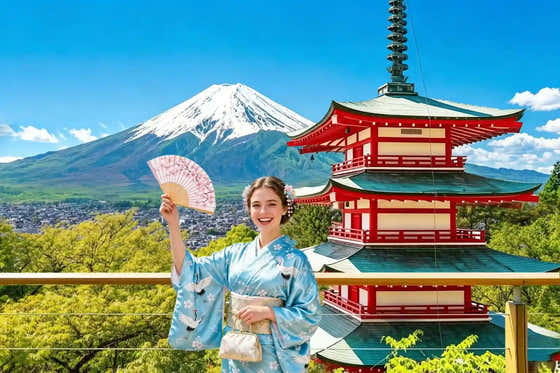
The Kawaguchiko Momiji Corridor is one of the area's most famous autumn attractions, with hundreds of maple trees creating a colorful tunnel along the lakeside. Chureito Pagoda is another popular viewpoint for combining autumn foliage with classic Mount Fuji scenery.
Because the main viewpoints around Mount Fuji are spread out, a Mount Fuji day tour makes it easier to combine several stops in one day.

Kansai / Kyoto, Osaka & Nara (Mid-November–Early December: Peak Foliage Season)

Kyoto is one of Japan's most famous autumn destinations, with peak foliage usually arriving from late November into December. For 2026, JMC forecasts Kyoto's red maple peak around December 11, noticeably later than its yellow ginkgo around November 27. The city's temple gardens, mountain paths, and historic streets create some of the most memorable autumn scenery in Japan.

Eikando Temple is one of Kyoto's most popular maple viewing spots, with thousands of trees surrounding its pond and pagodas. Other famous locations include Tofuku-ji, Kiyomizu-dera, and Arashiyama, where you can combine the Arashiyama bamboo grove with nearby temples such as Jojakko-ji.

For a quieter autumn experience, consider destinations outside central Kyoto, such as Katsuoji Temple near Osaka or Uji, where historic temples and gardens offer beautiful seasonal scenery with fewer visitors.

¥447.00
¥356.00
Nara is another excellent autumn destination. In Nara Park, red maple leaves surround paths leading to Todai-ji Temple and Kasuga Taisha, while deer walk beneath golden ginkgo trees near the Nara National Museum.

During the busiest autumn weekends, transportation around Kyoto can become crowded. Kyoto day tours or Nara day tours can make it easier to visit multiple autumn spots.

¥642.00
¥356.00
Kyushu & Chugoku (Late November–December: Southern Autumn Colors)
The autumn foliage season arrives later in southern Japan, making Kyushu and western Japan good choices for travelers visiting after November. Hiroshima's red leaves are forecast for around November 28, and Fukuoka's for around December 7.
Popular destinations include Mt. Aso, Fukuoka, Hiroshima, and Miyajima. On Miyajima Island, Momijidani Park is especially famous for its maple trees, with colorful leaves surrounding the walking trails toward Mt. Misen.
For travelers who want to explore less accessible autumn destinations beyond major cities, a private customizable tour provides more flexibility when public transportation options are limited.
7-Day and 14-Day Autumn Itinerary Ideas
If you are timing a first autumn trip around the 2026 forecast, these routes line up with the dates above.
If you have 7 days: Tokyo (3 days) → Hakone or Lake Kawaguchiko (1–2 days) → Kyoto (2 days).
If you have 14 days: Tokyo → Nikko → Lake Kawaguchiko → Kanazawa & Shirakawa-go → Kyoto → Nara & Uji → Osaka.
For more detail, see our Hakone vs Kawaguchiko comparison and our guide to Nara & Uji in one day.
Tips for Planning Your 2026 Autumn Trip
-
Book Hotels Early: Top ryokans in Kyoto sell out 6 to 12 months in advance for late November.
-
Dress for Temperature Swings: Check your Japan packing list. Tokyo hits 18°C (64°F) during the day but drops to 10°C (50°F) after sunset. Temple evening illuminations require a warm coat and thermal layers.
-
Beat the Crowds: Arashiyama and Kiyomizu-dera are overwhelming during peak dates. Visit major sites at 7:00 AM or 8:30 AM.
-
Recheck the Forecast: JMC updates its foliage forecast as the season approaches, with the next release due in early October. If your dates are flexible, check the latest update before booking non-refundable stays.
FAQs About Japan Fall Foliage
What are the peak autumn foliage dates in Tokyo, Kyoto, and Osaka in 2026?
According to the Japan Meteorological Corporation's first 2026 forecast, released September 2: in Tokyo, red maple peaks around November 29 and yellow ginkgo around November 26; in Kyoto, red maple around December 11 and yellow ginkgo around November 27; in Osaka, red maple around December 4 and yellow ginkgo around November 24.
Is Japan's autumn foliage season late in 2026?
Slightly, in some areas. JMC expects warmer-than-average autumn temperatures, so several regions are forecast to peak around average or later. Sapporo is about 10 days later than average (November 7 vs October 28) and Nagano about 9 days later (November 21 vs November 12), while Tokyo, Osaka, and Kyoto are all close to their average dates.
When does autumn foliage start in Japan in 2026?
The season begins in mid-September in the mountains of Hokkaido, such as Daisetsuzan National Park. Colors reach Tohoku in October, the Fuji Five Lakes and Japanese Alps in late October to November, Tokyo in late November, and Kyoto and Osaka from late November into December. Kyushu peaks last, in early to mid-December.
Are October or November better for autumn leaves in Japan?
It depends on where you are going. October is the better month for Hokkaido, Tohoku, Nikko, and the Japanese Alps. For Tokyo, Kyoto, and Osaka, late November to early December is the safest window in 2026.
Can I see Mt. Fuji and autumn leaves at the same time?
Yes. The Fuji Five Lakes area, especially Lake Kawaguchiko, is one of the best places to combine autumn colors with views of Mt. Fuji. The Momiji Corridor is especially popular in November when maple trees turn red along the lakeside.